Maximizing marketing ROI through unique promotional products relies on strategic selection that aligns with audience preferences.
Companies can enhance brand identity by choosing items that are both creative and practical. Eco-friendly products and tech gadgets are increasingly popular. However, understanding the nuances of effective distribution and measurement remains critical.
What factors truly influence the success of these promotional strategies? Exploring the intricacies can reveal valuable insights for any brand looking to elevate its marketing efforts.
Although many businesses explore various marketing strategies, the impact of promotional products often stands out as a powerful tool for brand recognition and customer engagement. These tangible items serve as constant reminders of a brand, often lingering in consumers' environments long after an initial interaction.
Promotional products can foster a sense of goodwill, as recipients often perceive them as thoughtful gestures, enhancing brand loyalty. In addition, they provide an opportunity for businesses to demonstrate their creativity and unique value propositions.
When aligned with a brand's identity, these products can effectively convey messages and evoke positive emotions. As a result, businesses leveraging promotional products often see improved customer retention, increased brand awareness, and ultimately, a favorable return on investment.
When selecting promotional items for an audience, it is essential to take into account their preferences and needs to guarantee maximum impact. Understanding the demographic characteristics, such as age, gender, and interests, can help marketers choose items that resonate well.
For instance, tech-savvy audiences may appreciate gadgets, while eco-conscious consumers might prefer sustainable products. Additionally, the context in which the items will be used should be considered; items for trade shows may differ from those intended for employee appreciation.
Budget constraints also play a role; a well-thought-out selection can guarantee that promotional products remain cost-effective while still appealing. Ultimately, aligning promotional items with audience expectations fosters engagement and enhances brand loyalty.
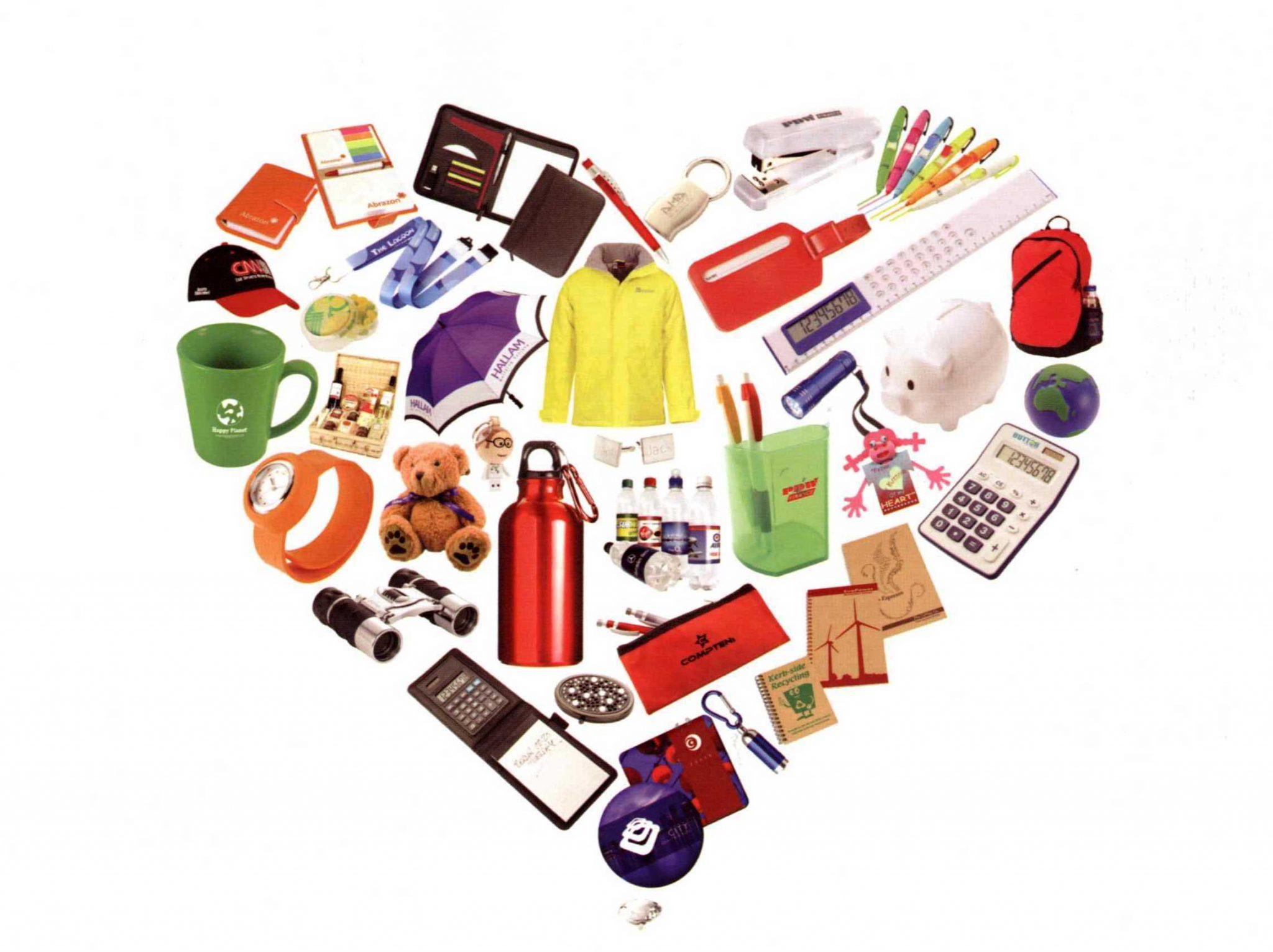
Innovative promotional products can considerably elevate brand visibility and engagement. Companies are increasingly exploring unique items that resonate with their target audience. For instance, eco-friendly products, such as reusable bags made from recycled materials, not only promote sustainability but also enhance brand image.
Tech gadgets, like custom USB drives or portable phone chargers, provide practical value while keeping the brand top-of-mind. Personalized items, such as branded journals or custom drinkware, foster a sense of connection with customers.
Seasonal and themed merchandise, like holiday ornaments or summer coolers, can also capture attention effectively. These creative approaches guarantee that promotional products stand out, encouraging increased interaction and leaving a lasting impression on potential customers.
How can businesses effectively measure the return on investment (ROI) from promotional products? To assess the impact, companies should begin by tracking relevant metrics such as sales growth, customer acquisition, and brand awareness before and after the distribution of promotional items.
Utilizing unique promo codes or dedicated landing pages can help attribute sales directly to promotional efforts. Surveys and feedback forms can also gauge customer perceptions and recall of the branded products. Additionally, monitoring social media engagement and website traffic can provide insights into increased visibility resulting from the promotional campaign.
By analyzing these data points, businesses can evaluate the overall effectiveness of their promotional products and adjust future strategies accordingly to enhance ROI.

Effective distribution of promotional items requires a strategic approach to guarantee maximum impact and engagement with the target audience. First, identifying the right venues for distribution is vital; these can include trade shows, community events, or targeted local businesses.
Timing also plays a key role; aligning the distribution with key marketing campaigns can enhance visibility. Additionally, selecting items that resonate with the audience's interests assures better reception and usage. Personalizing the distribution process, such as handing out items directly or incorporating them into customer purchases, fosters a personal connection.
Finally, leveraging social media to amplify the distribution efforts can broaden reach and encourage sharing, further enhancing brand exposure. Implementing these best practices can lead to more effective promotional strategies.
While many brands focus on immediate sales, cultivating long-term loyalty through unique promotions can create a lasting connection with consumers. By offering distinctive promotional products that resonate with target audiences, brands can foster emotional connections.
Unique items, such as eco-friendly goods or locally sourced products, not only capture attention but also reflect a brand's values, enhancing consumer trust. Additionally, limited-edition offerings can create a sense of exclusivity, encouraging repeat engagement.
Consistent delivery of innovative promotions allows brands to remain top-of-mind and reinforces loyalty over time. Ultimately, when consumers feel valued through thoughtful and unique gestures, they are more likely to develop a preference for the brand, leading to sustained loyalty and positive word-of-mouth, thereby maximizing marketing ROI.
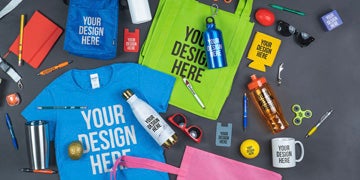
The average cost of promotional products varies greatly, typically ranging from a few cents to several dollars per item, depending on factors like quality, customization, and order volume. Basic items, such as pens or keychains, may cost around $1 to $3 each, while more complex products, like electronics or apparel, can range from $5 to $30 or more. Budget considerations play an essential role in selecting the most suitable promotional items for a brand�s marketing strategy.
To measure the effectiveness of promotional products, businesses can track metrics such as sales conversions, customer engagement, and brand awareness. Surveys can be conducted to gather feedback on the products� impact. Additionally, monitoring website traffic and social media interactions post-campaign can provide insights. Analyzing return on investment (ROI) through sales data related to the promotional efforts will also help determine the success of the promotional products used in marketing strategies.
For trade shows, the best types of products include practical items like tote bags, pens, and notebooks, which attendees often find useful. Tech gadgets, such as USB drives or phone chargers, also attract attention due to their modern appeal. Additionally, health-conscious items like hand sanitizers or reusable water bottles resonate well with visitors. Ultimately, products that are visually appealing, functional, and aligned with the brand�s identity tend to leave a lasting impression.